
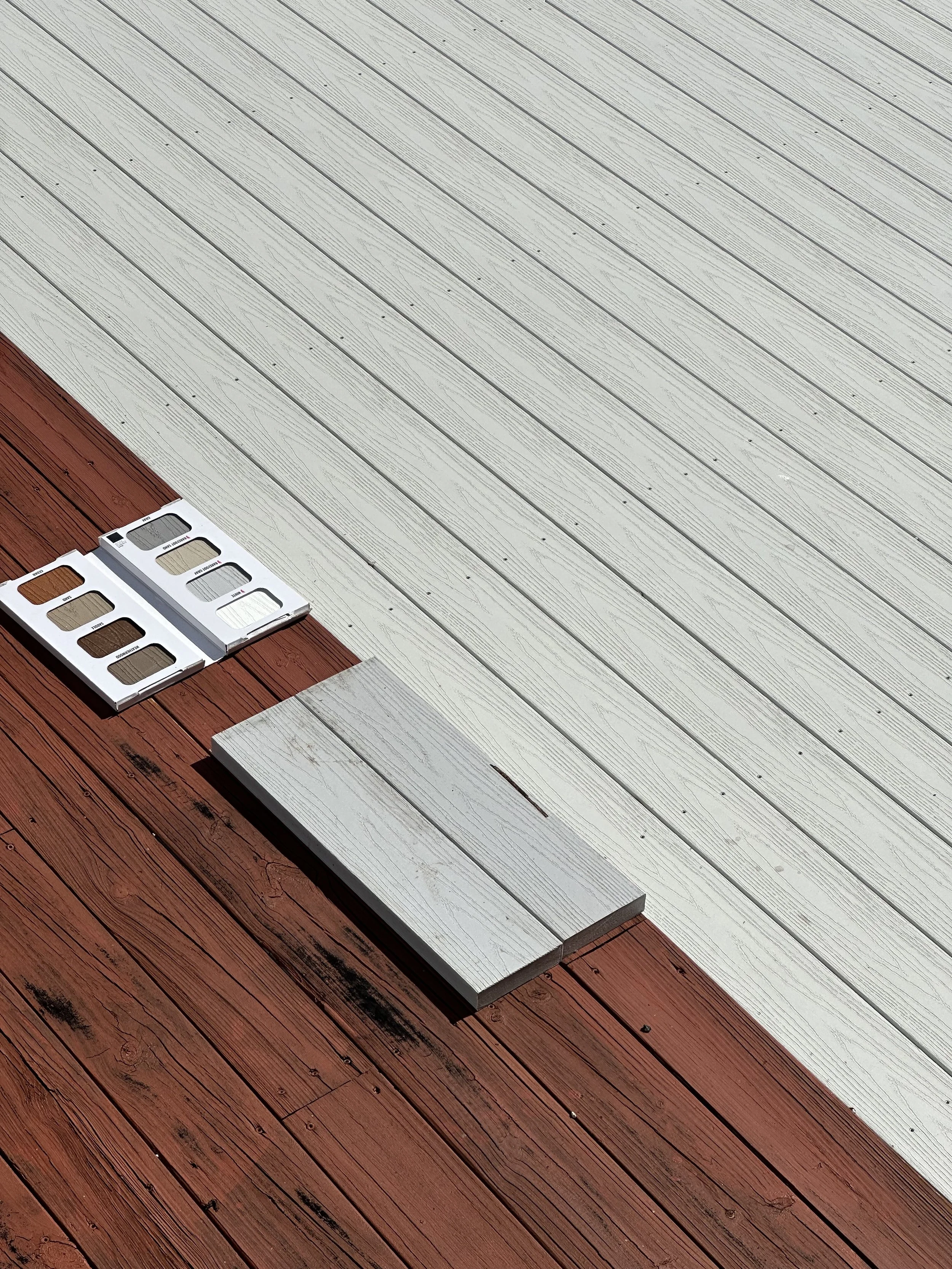
Choosing the right materials for your South Florida dock is one of the most important decisions you will make — and one of the most consequential. The wrong materials in South Florida's saltwater environment do not just look bad after a few years. They fail structurally, creating safety hazards and requiring expensive early replacement. The right materials last decades with minimal maintenance.
Here is a complete guide to dock materials for South Florida's saltwater environment from the team at JKT Marine Construction.
The Challenge: South Florida's Environment Is Brutal on Materials
Before getting into specific materials, it helps to understand what your dock is up against. South Florida's marine environment combines saltwater exposure, intense UV radiation from year-round sun, high humidity, tropical storm surge and wind loading, marine organisms including barnacles and wood-boring organisms, and significant thermal expansion and contraction from temperature swings. Materials that perform well in other parts of the country often fail prematurely in South Florida. What works in the Chesapeake or the Pacific Northwest does not necessarily work in Palm Beach County.
Decking Materials
Composite Decking — Highly Recommended
Marine-grade composite decking is the top choice for South Florida dock surfaces. Made from a blend of wood fiber and recycled plastic, it is engineered to resist moisture, UV radiation, salt, and marine organisms. It does not rot, warp, splinter, or require sealing or staining.
Top composite brands for South Florida docks include WearDeck, which is engineered specifically for marine applications and is one of the best options available. Trex, the industry leader with a 25-year fade and stain warranty. TimberTech AZEK, a premium all-PVC option with outstanding UV and moisture resistance. And Fiberon, which offers solid marine-grade performance at competitive pricing.
Cost runs $18 to $35 per square foot installed. Lifespan is 25 to 50 or more years. Maintenance is minimal — an occasional rinse.
PVC Decking — Also Recommended
Pure PVC decking contains no wood fiber at all, making it completely immune to rot and moisture absorption. It is the most waterproof option available and performs exceptionally well in South Florida's marine environment. Slightly more expensive than composite but worth it for properties with the most demanding conditions.
Pressure-Treated Wood — Acceptable But Not Ideal
Pressure-treated lumber is still widely used for dock decking in South Florida and remains a legitimate option for budget-constrained projects. However, it requires sealing every 1 to 3 years to maintain appearance and resist checking. It grays and cracks from UV exposure without maintenance. It develops splinters as it ages — a hazard for bare feet. It has a lifespan of 10 to 20 years in South Florida conditions versus 25 to 50 or more for composite.
For most South Florida homeowners, the higher upfront cost of composite pays for itself in reduced maintenance and longer lifespan within 10 to 15 years.
Tropical Hardwoods — Beautiful But High Maintenance
Ipe, teak, and other tropical hardwoods are beautiful and naturally resistant to rot and insects. However, they require annual oiling or sealing to maintain their appearance, they are expensive, and they are significantly heavier than composite. For homeowners who love the natural wood look and are willing to maintain it, tropical hardwoods are a premium option. For those who want low maintenance, composite wins every time.
Structural Materials — Pilings
Concrete Pilings — Best Overall for South Florida
Concrete pilings are the most durable structural option for South Florida docks. They resist saltwater corrosion, marine boring organisms, and physical impact better than any other piling type. They are heavier and more expensive to install than alternatives but provide the longest lifespan — 50 or more years when properly made.
Concrete pilings are the preferred choice for permanent docks, Intracoastal-front properties, and any application where longevity is the priority.
Composite Pilings — Excellent Alternative
Composite or fiberglass pilings offer similar corrosion resistance to concrete with lighter weight and easier installation. They do not corrode, are not susceptible to marine borers, and carry a lifespan comparable to concrete. A growing number of dock builders are specifying composite pilings for South Florida projects because of their performance and installation advantages.
Pressure-Treated Wood Pilings — Common But Limited Lifespan
Pressure-treated wood pilings are the most common type in South Florida and are still used regularly. However, their lifespan in South Florida's marine environment is 15 to 25 years — significantly shorter than concrete or composite. Marine boring organisms including shipworms are a serious threat to wooden pilings in South Florida waterways, even with pressure treatment. For dock replacements, most experienced marine contractors now specify concrete or composite pilings when the client's budget allows.
Hardware and Fasteners
This is an area where many dock builders cut costs — and homeowners pay for it later. Every fastener, bracket, and piece of hardware on your dock must be marine-grade stainless steel or hot-dipped galvanized at minimum. Standard hardware store zinc-coated fasteners will rust within one to two years in South Florida's saltwater environment, staining your decking and eventually failing structurally.
At JKT Marine Construction we use 316-grade stainless steel fasteners on all projects — the highest corrosion resistance available for marine hardware. This is not negotiable on any project we build.
JKT Marine's Material Recommendations for South Florida Docks
Decking — WearDeck marine-grade composite or TimberTech AZEK PVC as our top choices. Trex and Fiberon composite as strong alternatives. Pressure-treated wood for budget-constrained projects.
Pilings — Concrete as the top choice for longevity. Composite as an excellent alternative. Pressure-treated wood only when budget requires it, with clear communication about expected lifespan.
Fasteners — 316-grade stainless steel throughout. No exceptions.
Structural framing — Pressure-treated lumber is standard and appropriate for dock framing when properly specified. Composite framing members are available as a premium upgrade.
Get a Free Dock Material Consultation
JKT Marine Construction builds docks throughout Palm Beach County and Broward County using only marine-grade materials rated for South Florida's environment. We will walk you through your options honestly and help you make the right choice for your budget and goals. Licensed CGC1537758, fully insured, owner on every project.
Call (561) 418-0383 or email info@jktmarine.com for a free estimate.
Frequently Asked Questions
What is the most low-maintenance dock decking for South Florida? Marine-grade composite or PVC decking requires the least maintenance. An occasional rinse with fresh water is typically all that is needed. No sealing, staining, or annual treatment required.
How long do composite pilings last in South Florida? Quality composite or fiberglass pilings installed correctly in South Florida typically last 40 to 60 or more years — comparable to concrete and significantly longer than pressure-treated wood.
Is Trex good for boat docks? Yes — Trex makes specific marine and dock collections engineered for wet and saltwater environments. Standard residential Trex is not designed for submerged or constantly wet conditions. Always specify marine-grade composite for dock applications.
What causes dock pilings to fail in South Florida? The two main causes of piling failure in South Florida are marine boring organisms — primarily shipworms — that attack wood pilings from below the waterline, and physical impact from boat traffic or storm debris. Concrete and composite pilings are not susceptible to marine boring organisms, which is a significant advantage over wood in South Florida waterways.